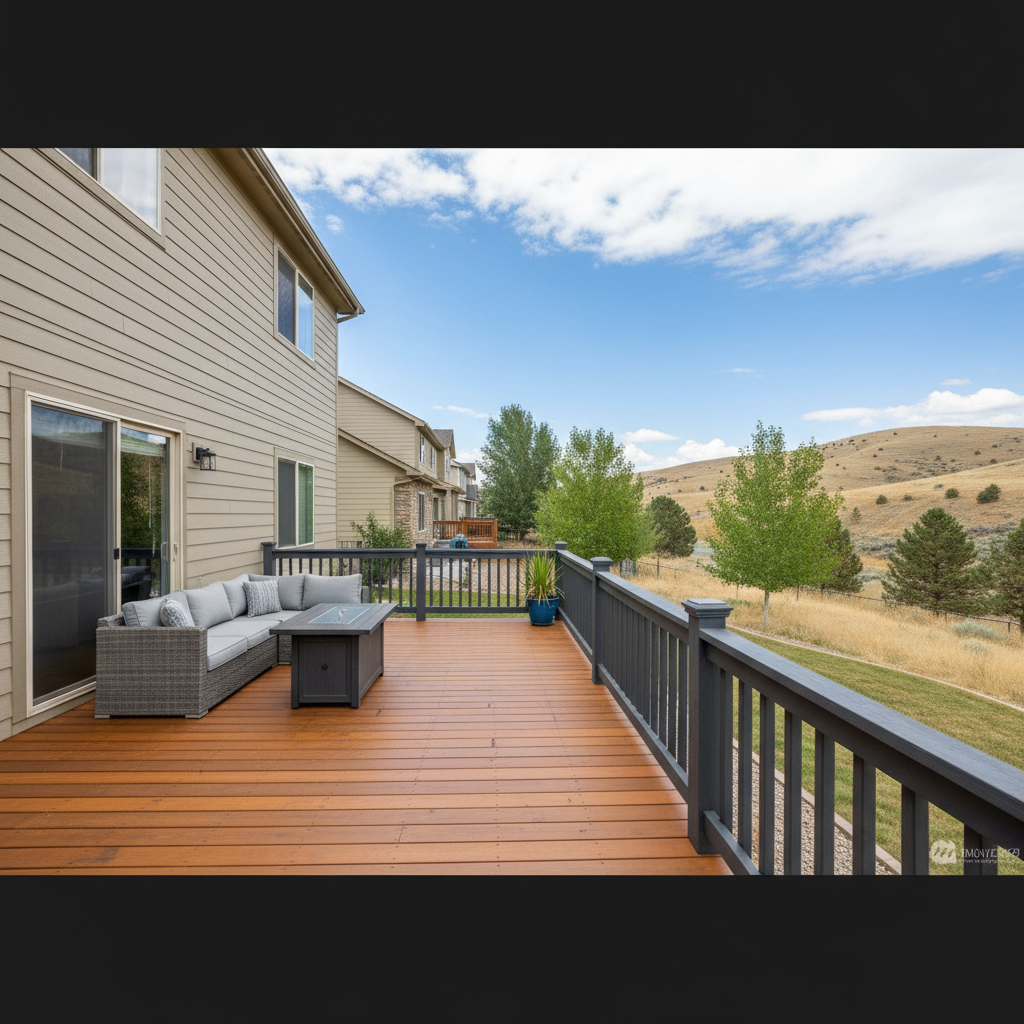
You've got a deck, right? And you want it to look good and last. That's pretty much everyone I talk to here in Boise. But when it comes to painting or staining that deck, it's not just about picking a pretty color. Our unique climate, with its scorching summers and snowy winters, means you've got to think smart about what you put on your wood.
Why Boise Weather Demands Specific Finishes
Our weather here isn't messing around. We get those 100-degree days where the sun just bakes everything, then we switch to freezing temps, ice, and snow. That constant expansion and contraction, plus the UV assault, is brutal on wood. Generic deck finishes often just don't cut it. They might look good for a season, but give it a year or two, and you're looking at peeling, fading, and wood that's starting to dry out and crack.
I've seen it time and again, especially on older homes in places like the North End or Bench neighborhoods where decks have seen decades of sun. Folks try to save a buck with a cheaper product, and they end up spending more in the long run to fix the damage or re-do the job entirely. It's not just about how it looks; it's about protecting the structural integrity of your deck from moisture and decay.
Stain vs. Paint: What's Right for Your Deck?
This is a big one. Most of the time, for a wood deck, I'm going to lean towards a stain. Why? Because stain penetrates the wood, protecting it from the inside out, while still letting the natural grain show through. Paint, on the other hand, sits on top of the wood. It creates a film, and when that film gets hit by our intense sun and then freezes, it's much more prone to chipping and peeling. Once paint starts peeling, it's a real headache to fix properly.
There are different types of stains, too:
- Clear or Transparent Stains: These offer minimal protection but really highlight the wood's natural beauty. Great for new, high-quality wood you want to show off.
- Semi-Transparent Stains: My personal favorite for most projects. They add color but still let some grain show, and they offer good UV and moisture protection. They're easier to reapply down the road too, usually just needing a good cleaning before a new coat.
- Solid Stains: These are almost like a thin paint. They cover the grain completely but still get into the wood better than paint. Good for older, weathered decks where you want a uniform color but don't want to deal with paint's peeling issues.
Now, if you have a pressure-treated deck that's been around for a while, or you're specifically trying to match a house color, paint might be an option. But you need to be prepared for more frequent maintenance and potential peeling. For most homeowners, especially those with cedar or redwood decks, stain is the way to go.
Prep Work Is Everything (Seriously)
I can't stress this enough: the success of any deck finish, whether it's paint or stain, is 90% in the prep work. You can buy the fanciest, most expensive stain on the market, but if you slap it on a dirty, mildewed, or improperly prepped deck, it's going to fail. Every. Single. Time.
Here's what proper prep usually involves:
- Cleaning: Power washing is often needed, but you have to be careful not to damage the wood. A good deck cleaner designed to remove dirt, grime, and mildew is essential.
- Sanding: Especially if you're dealing with an older deck, sanding helps smooth out rough spots, remove old, loose finish, and open up the wood pores so the new stain can get in effectively.
- Drying Time: This is crucial. You need several days of dry weather after cleaning before you even think about applying a finish. If there's moisture trapped in the wood, your finish won't stick properly.
We've seen plenty of DIYers get halfway through this process, realize how much work it is, and then call us. It's a lot, especially when you're trying to enjoy your summer weekends instead of scrubbing boards.
Why Local Expertise Matters for Your Boise Deck
You can read all the general advice online, but knowing what works *here* is different. I've been doing this for years with Boise Deck Creations, and I've seen what products hold up to our specific climate. I know which stains perform best against our high UV index, and which ones can handle the freeze-thaw cycles without flaking off.
We also understand the common types of wood used in Boise decks, from the older cedar and redwood to newer pressure-treated lumber and even some exotic hardwoods. Each type responds a little differently to various finishes. Don't underestimate the value of someone who knows the local conditions and has a track record of successful projects right here in the Treasure Valley. It's not just about putting on a product; it's about applying the *right* product, the *right* way, for *our* environment.
So, before you grab that bucket of stain or paint, think about the long game. A little extra thought and the right expertise upfront can save you a whole lot of headaches and money down the road.