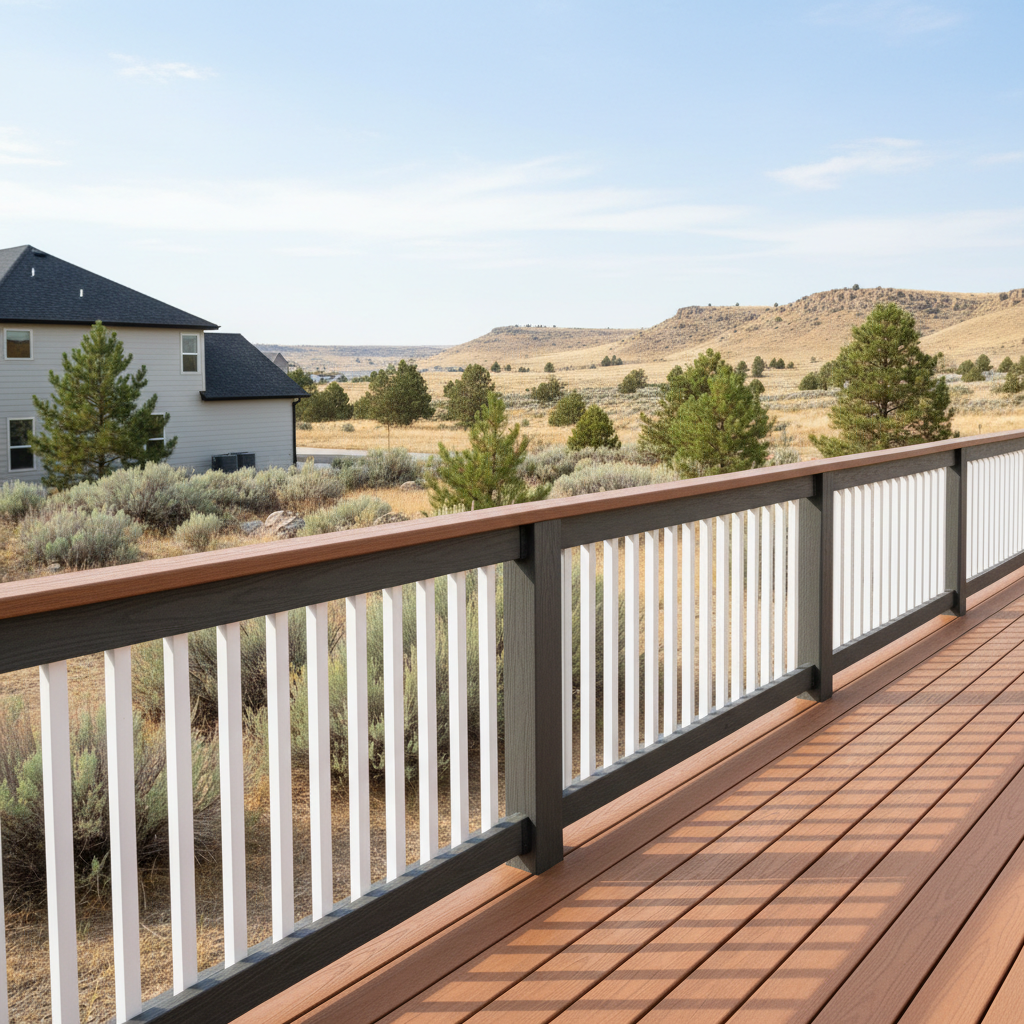
You've got a great deck, and those railings? They're solid. But that railing isn't just there to keep your kids or your dog from tumbling off; it's actually a key part of your deck's structure and overall safety. Here in Boise, our weather can be pretty tough on outdoor stuff. We get those scorching 100-degree days in July, and then we're shoveling snow off the deck in January. All that expanding and contracting, plus moisture, really puts your railings to the test. So, what's the secret to making sure your railing installation stands strong for years and years?
Extend the Life of Your Deck Railings
It really just comes down to a bit of proactive care. Think of it like changing the oil in your car; a little effort now saves you a lot of headache and money later, right? For most railings — whether they're wood, composite, or even metal — keeping them clean is step one. Dirt, pollen, and even bird droppings can hold moisture right against the material, and that's never good. A simple wash-down with a hose and a soft brush, maybe some mild soap if it's really grimy, can make a huge difference. Try to do this a couple of times a year, especially after the spring pollen bomb and then again before winter truly sets in.
For wood railings, you absolutely have to protect that finish. Our intense sun can really dry out wood, leading to cracking and splintering. And then the snow and ice bring all that moisture. You'll want to reapply a good quality stain or sealant every few years. How often depends on the product and how much sun your deck gets. If you've got a railing that's really exposed, like a south-facing deck in the Bench neighborhood, you might need to do it more often. Don't wait until it looks completely faded or starts showing signs of rot. Catch it early, that's the key.
Metal railings, like aluminum or steel, are pretty low maintenance, which is nice, but they're not invincible. Keep an eye out for scratches in the powder coat. If you spot a deep scratch, touch it up with a matching paint designed for outdoor metal. This stops rust from getting a foothold. For cable railings, just make sure the tension is right. Cables can loosen over time, and you definitely don't want them sagging.
Regular Maintenance Checks You Can Do
I tell all my clients, no matter who installed their deck, to do a quick visual inspection at least twice a year. Spring and fall are usually good times for this. Here's what you should be looking for:
- Loose Connections: Grab each post and give it a good shake. Does it wobble? Check the fasteners where the posts connect to the deck frame. Screws can back out, or wood can swell and shrink, loosening things up. Tighten anything that feels loose.
- Cracks or Splits: Look at all your wood components. Are there any significant cracks? Small surface checks are normal, but deep splits can compromise strength.
- Rot or Decay: Pay close attention to the bottom of posts, especially where they meet the deck surface, and any areas that stay wet. Probe suspicious spots with a screwdriver. If it feels soft or spongy, you've got a problem.
- Rust or Corrosion: On metal components, look for any signs of rust. Even stainless steel can pit if not cared for.
- Damaged Balusters/Spindles: Are any balusters broken, missing, or significantly warped? This is a safety issue, plain and simple.
- Handrail Condition: Run your hand along the top rail. Are there splinters? Is it rough? That can be uncomfortable and a sign the finish is failing.
For composite railings, you generally won't deal with rot or splinters, but you still need to check for loose connections and any physical damage from impacts or severe weather.
Warning Signs You Shouldn't Ignore
Some issues are more urgent than others. If you see any of these, please don't put off getting it checked out:
- Significant Post Wobble: If a post moves more than an inch or two when you push on it, that's a serious safety hazard. It means the connection to the deck structure is failing.
- Widespread Rot: If you find rot in multiple places, especially in structural components like posts or the deck ledger board where the railing attaches, your deck's integrity might be compromised.
- Missing or Broken Balusters: If there's a gap big enough for a child to slip through, it needs immediate attention.
- Rusting Fasteners: If the screws or bolts holding your railing together are visibly rusting, their strength is reduced, and they could fail.
- Sagging Handrail: A handrail should be firm and level. If it's sagging, something is wrong with its supports.
When to Call a Professional
Look, I'm a big believer in DIY when it makes sense, but some things are just best left to the pros. If you're seeing any of those serious warning signs I just mentioned, or if you're just not sure about the structural integrity of your railing, give us a call. Don't mess around with safety. We've seen it all, from railings that were never properly installed to ones that have just worn out over decades. Sometimes it's a simple fix; other times it might mean replacing a section or even a full railing system.
If you're in the Boise area and you've got concerns about your deck railings, or if you just want an expert eye to give it a once-over, don't hesitate to reach out to Boise Deck Creations. We can assess the situation, give you an honest opinion, and make sure your deck stays safe and sound for your family and friends to enjoy.